Oakland City Urban Design
Movement, Health, and Community Life
 View full drawing ↗
Safety, vacancy, movement, food access, and neighborhood identity are read together, then translated into a phased public-realm framework.
- Type
- Neighborhood framework
- Location
- Oakland City · Atlanta
- Focus
- Safety + health + identity
- Role
- Group project · Shared research + design iterations
01Observe
The project begins at street level.
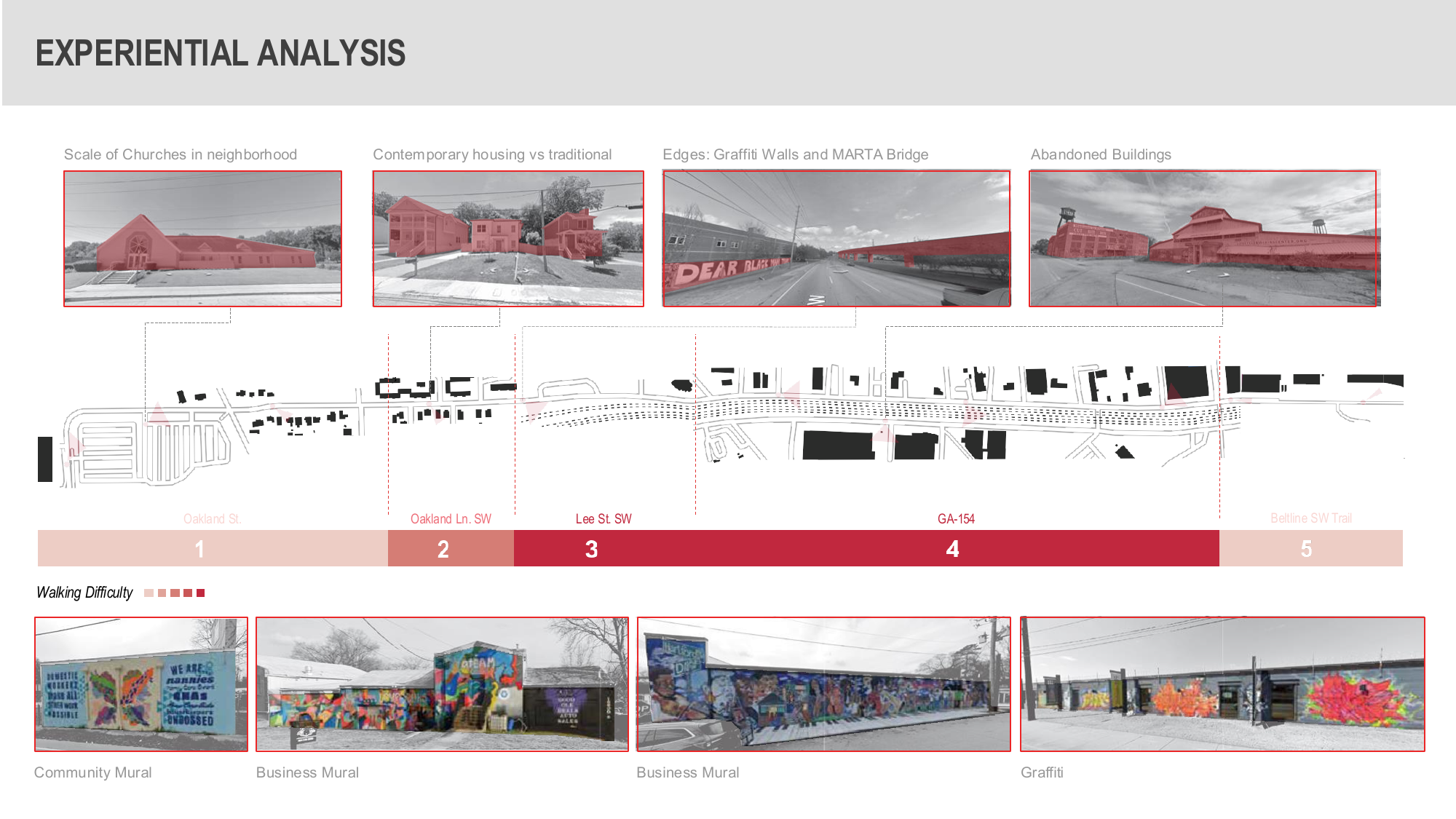
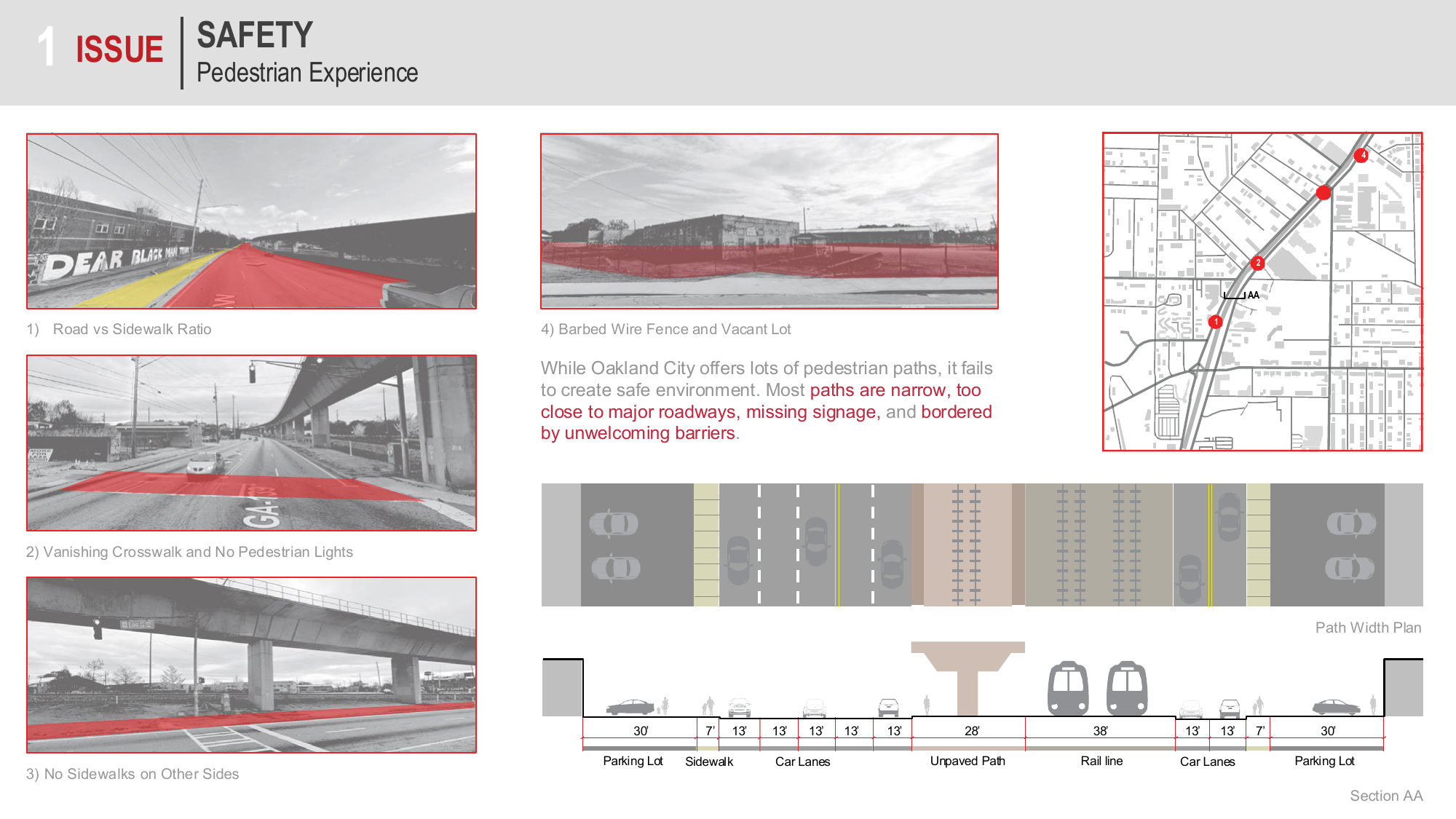
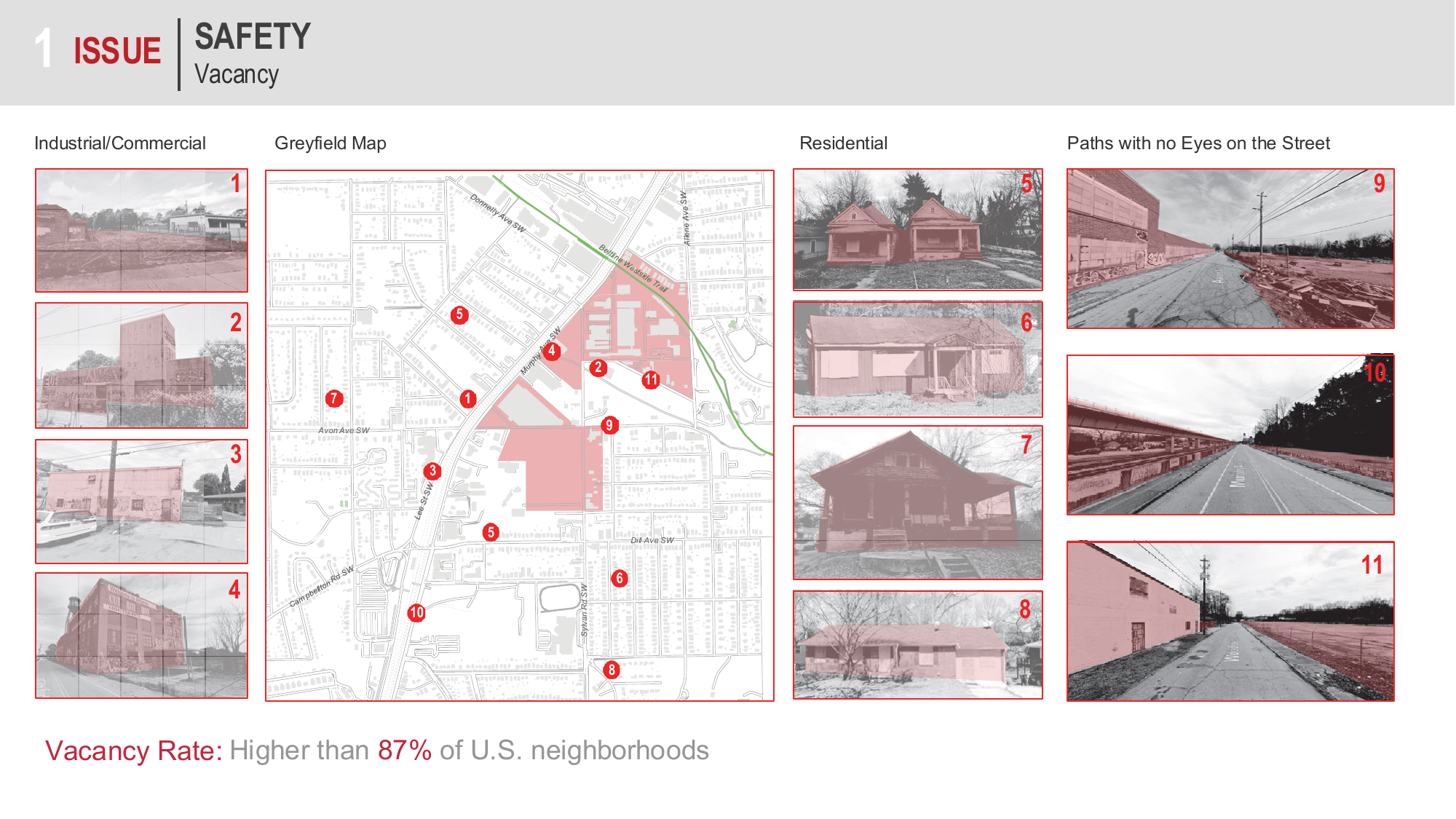
Regional connectivity is strong, but photographs and experiential mapping reveal incomplete sidewalks, unsafe crossings, vacant parcels, and breaks in neighborhood resources.
02Prioritize
Safety, health, preservation, and community life become criteria.
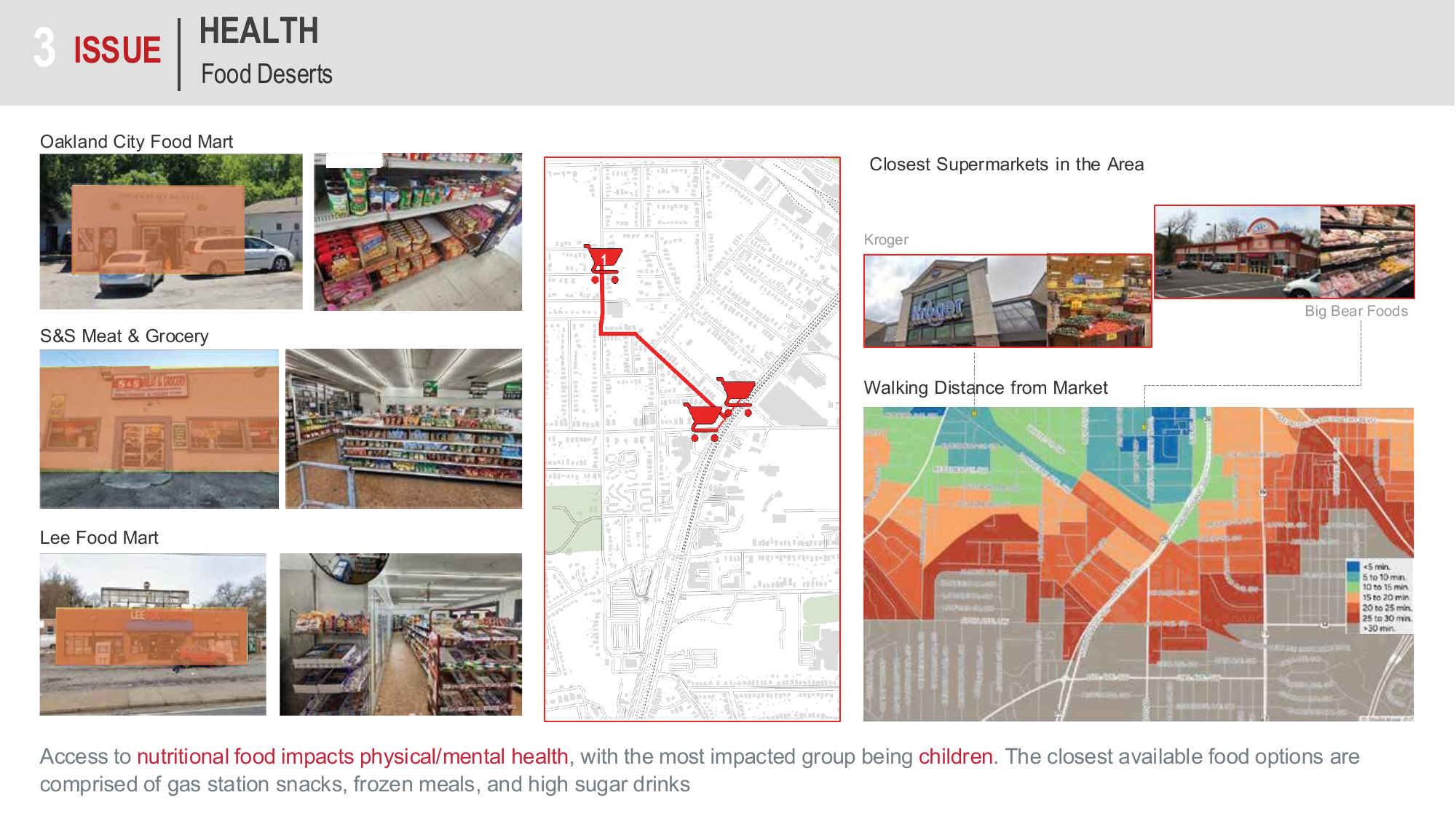
Vacancy and food-access mapping identify where intervention can support existing identity without erasing it.
03Urban move
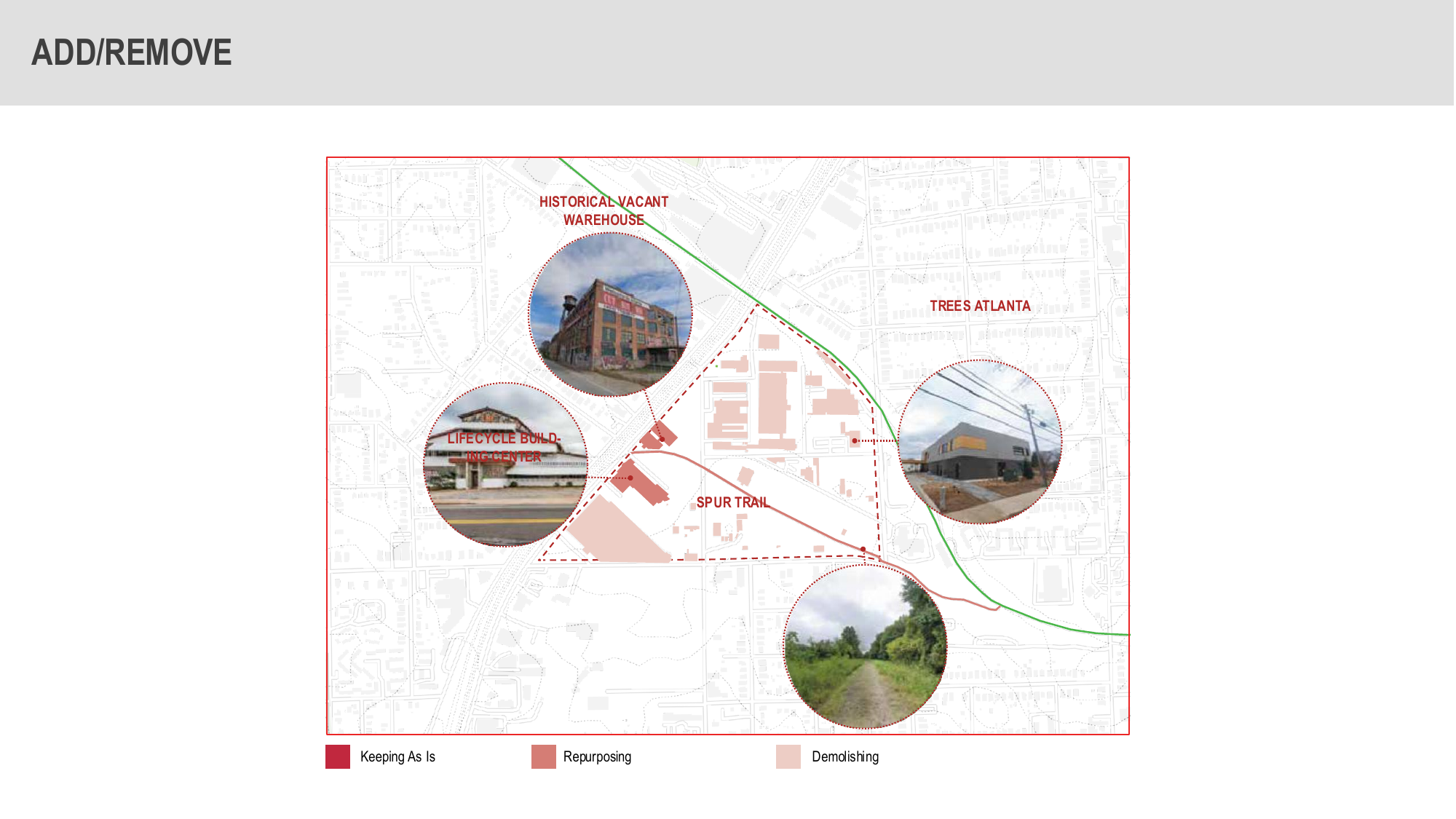
Preserve, repurpose, and reconnect.
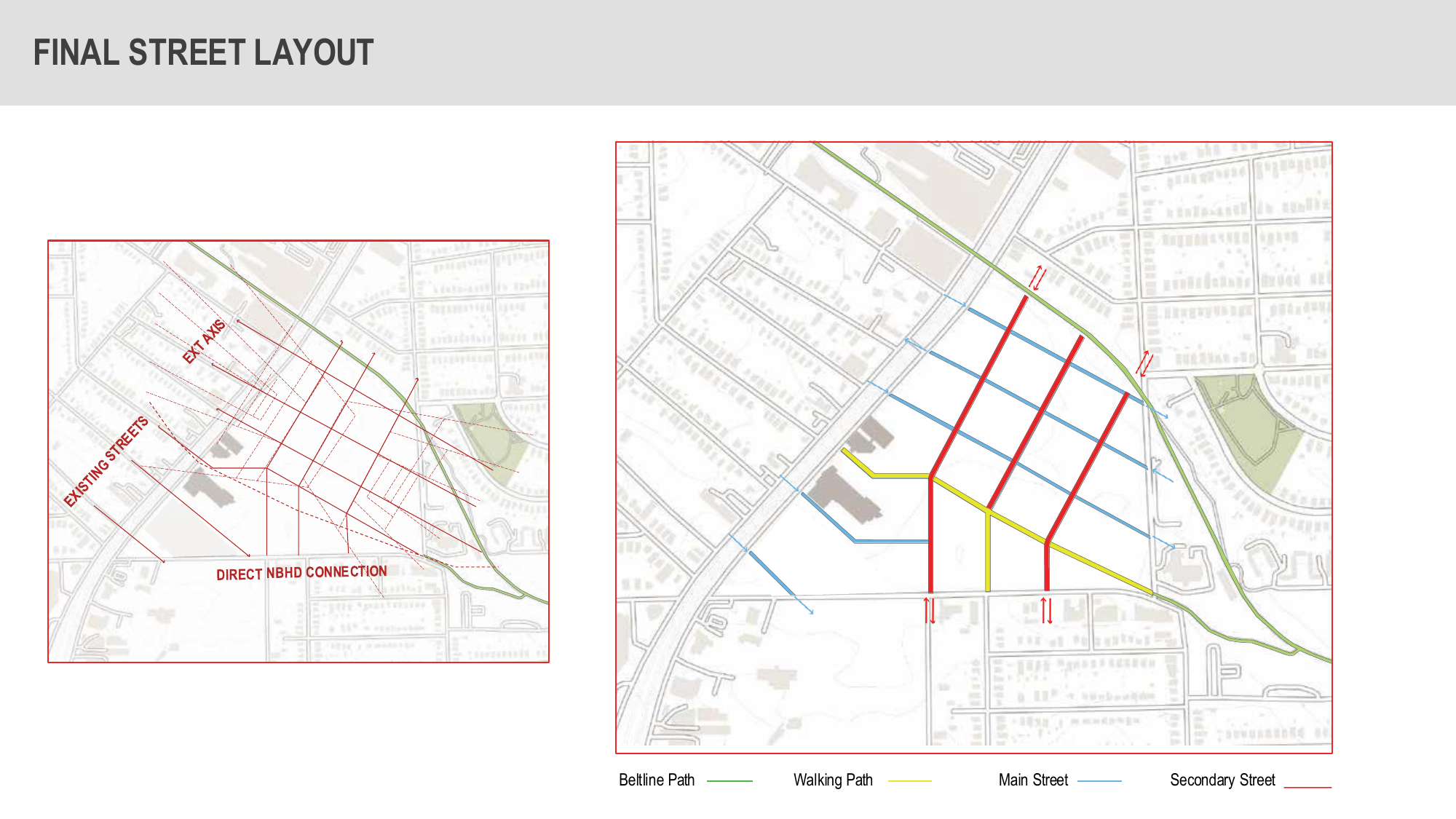
A legible street and greenway network reconnects the neighborhood while selected buildings and sites are preserved or repurposed.
04Spatial consequence
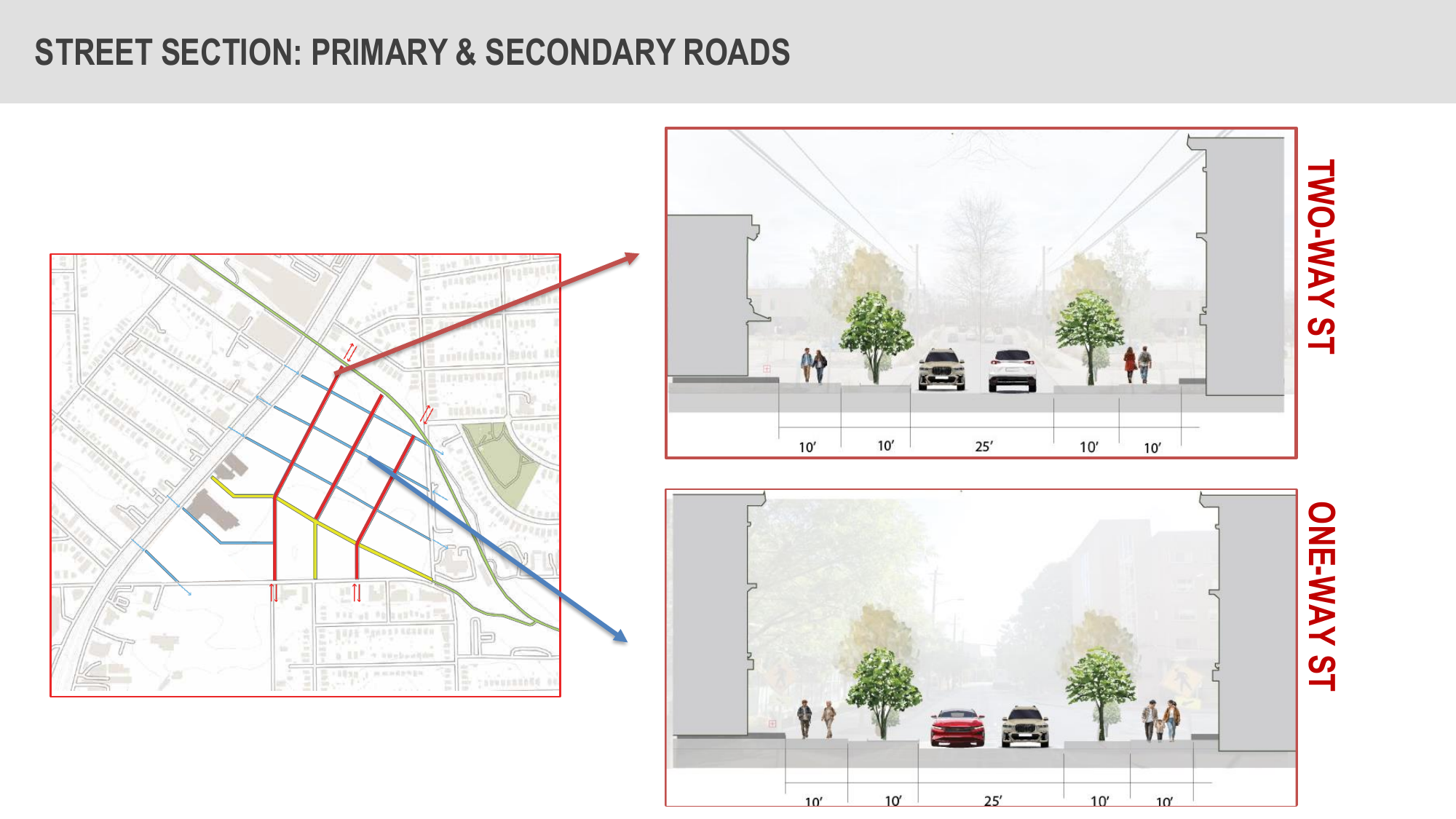
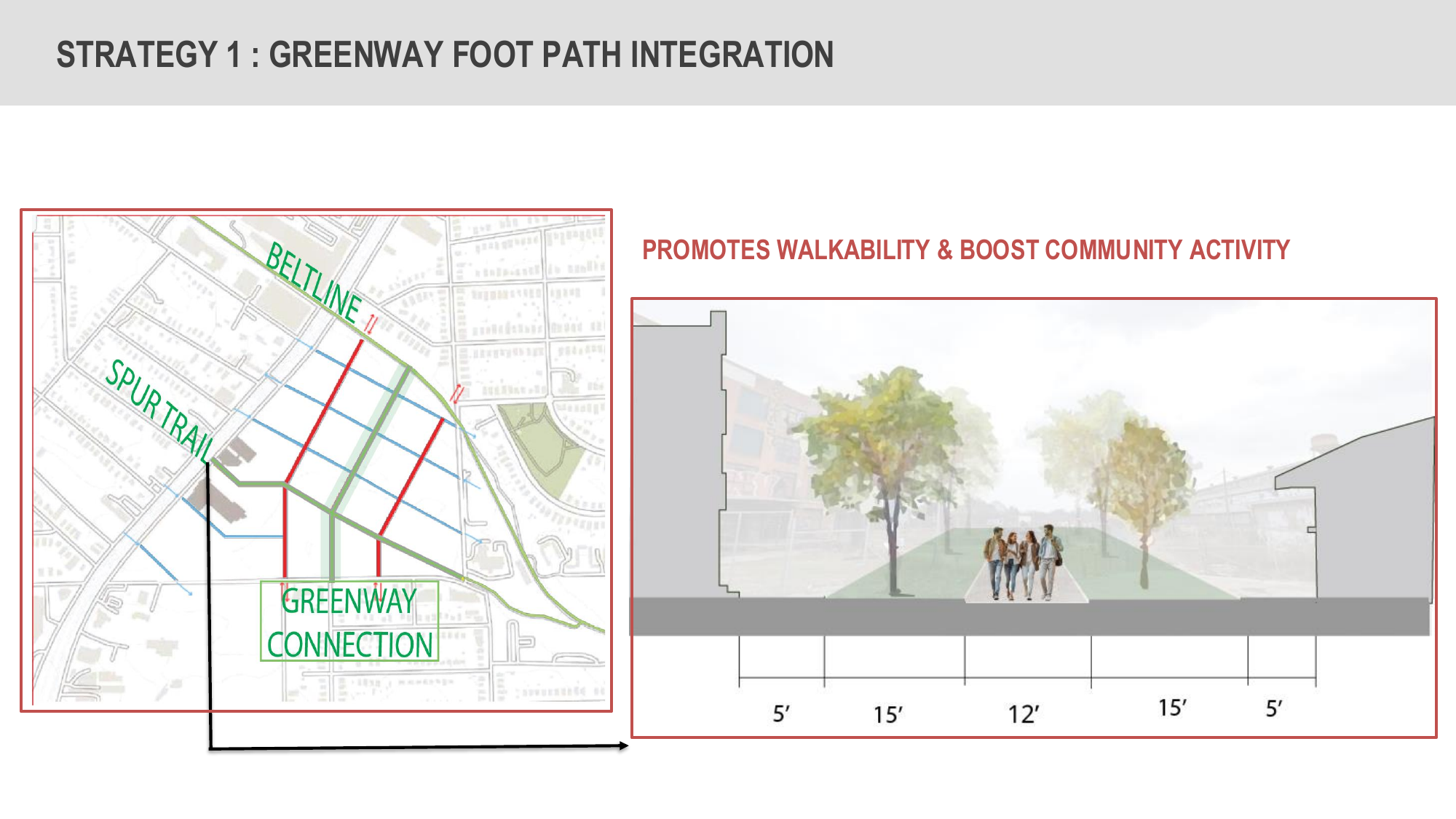
Broad goals become streets with dimensions and edges.
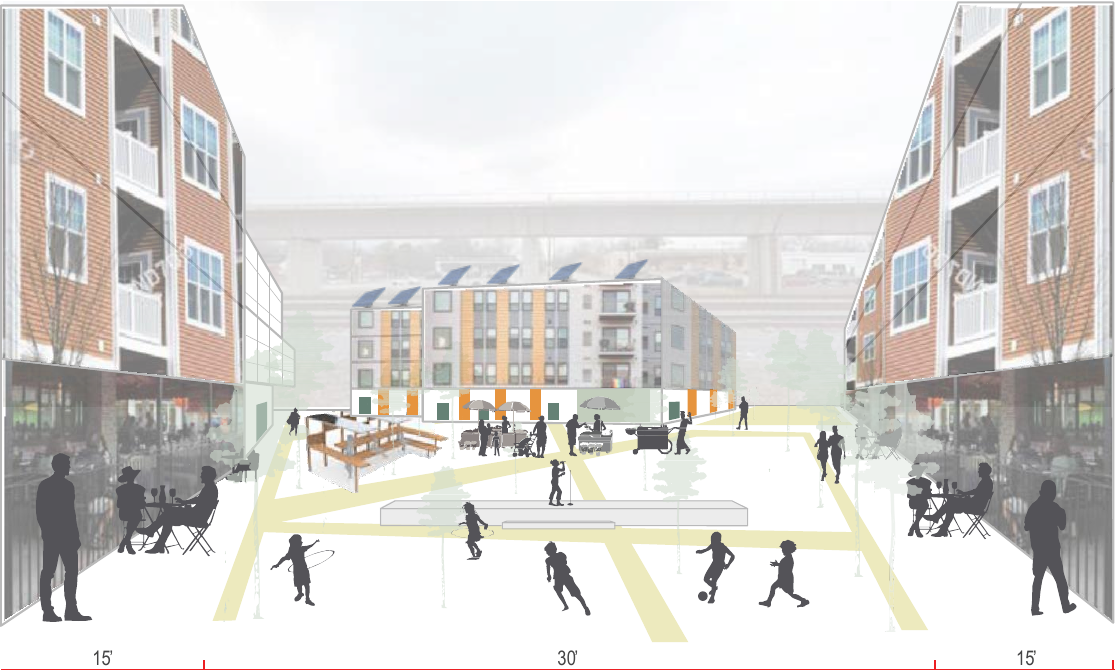
Street and greenway sections translate safety, movement, planting, and building frontage into architectural relationships.
05Program + density
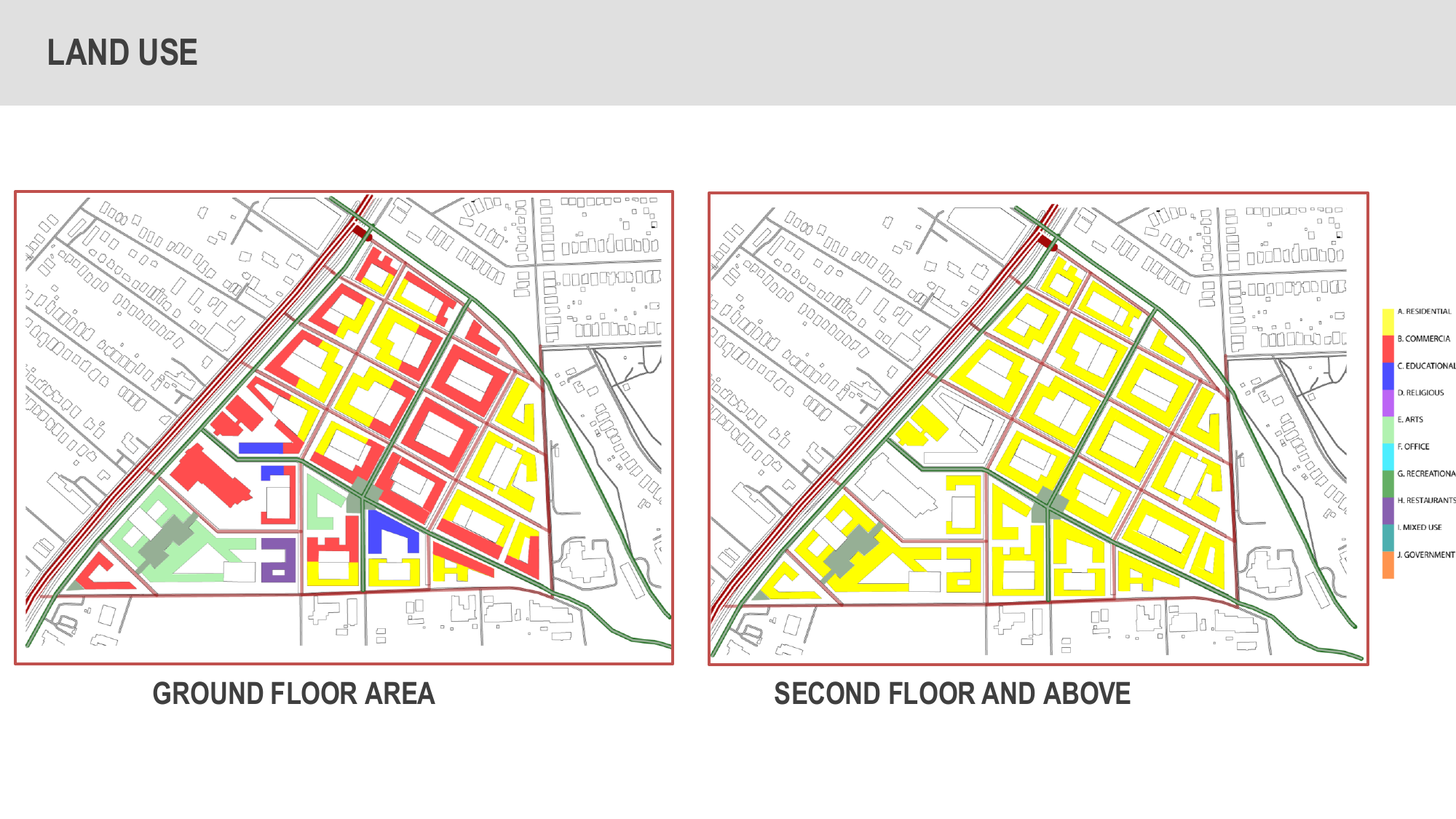
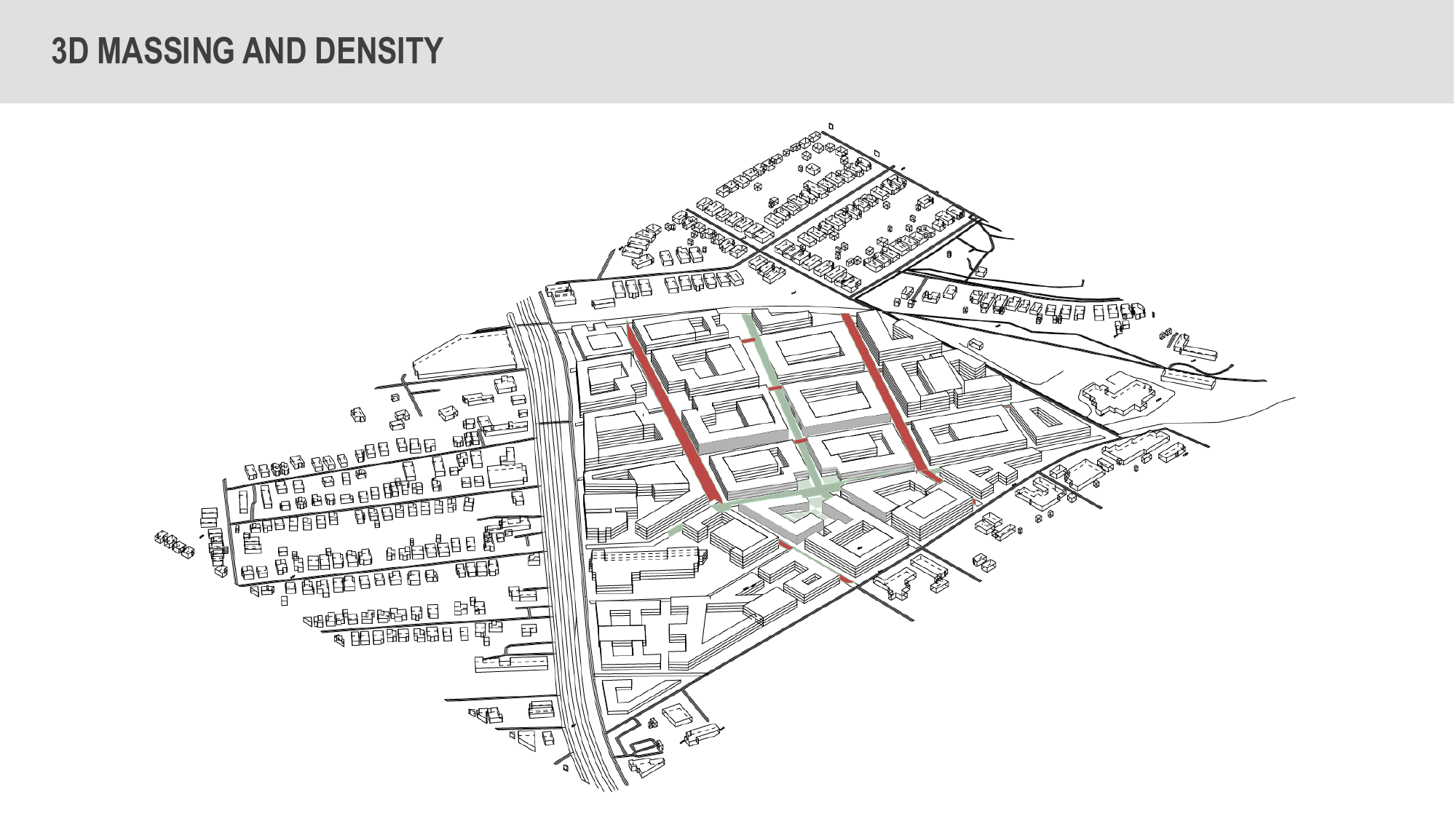
Mixed use frames public life rather than replacing it.
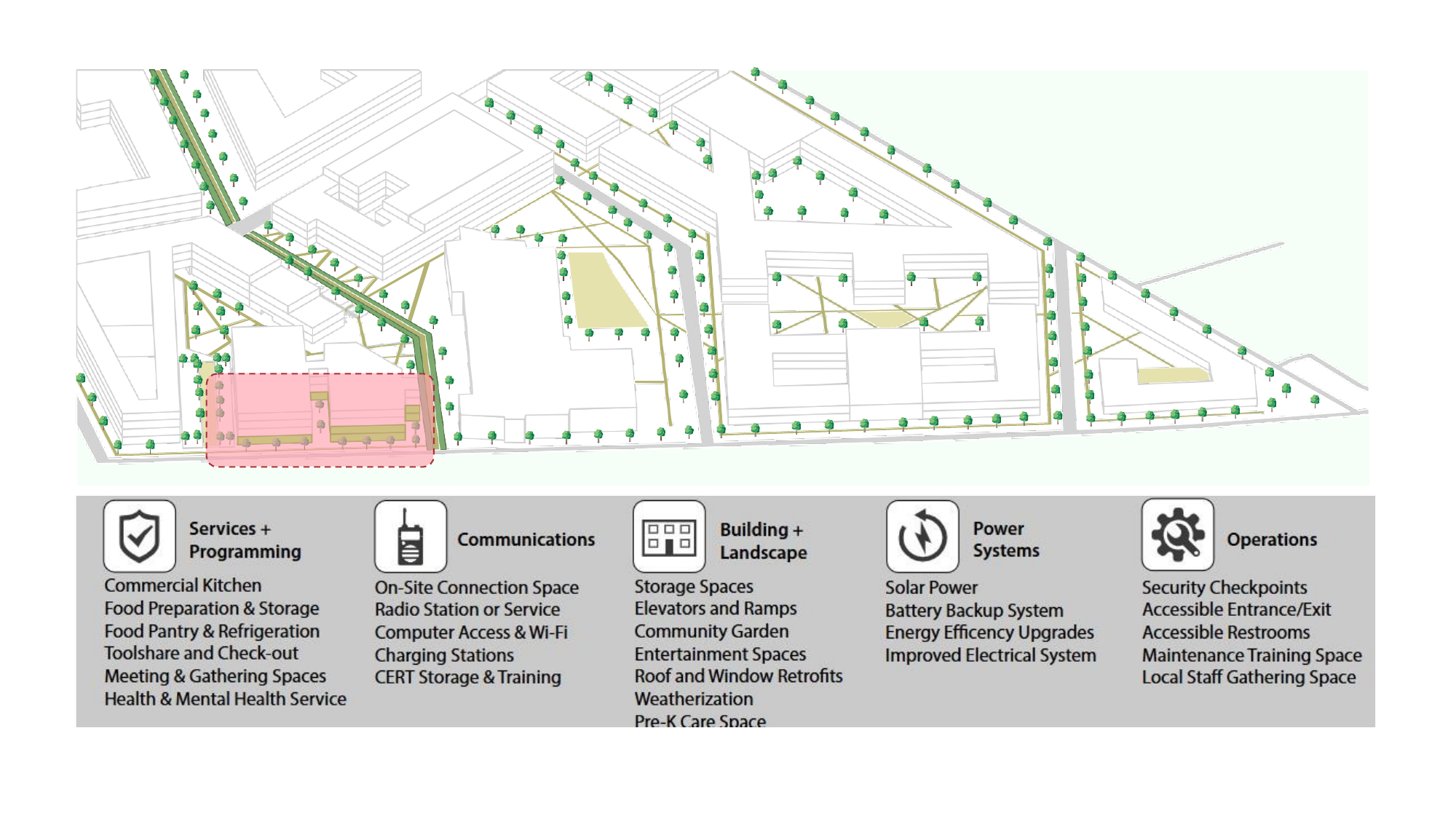
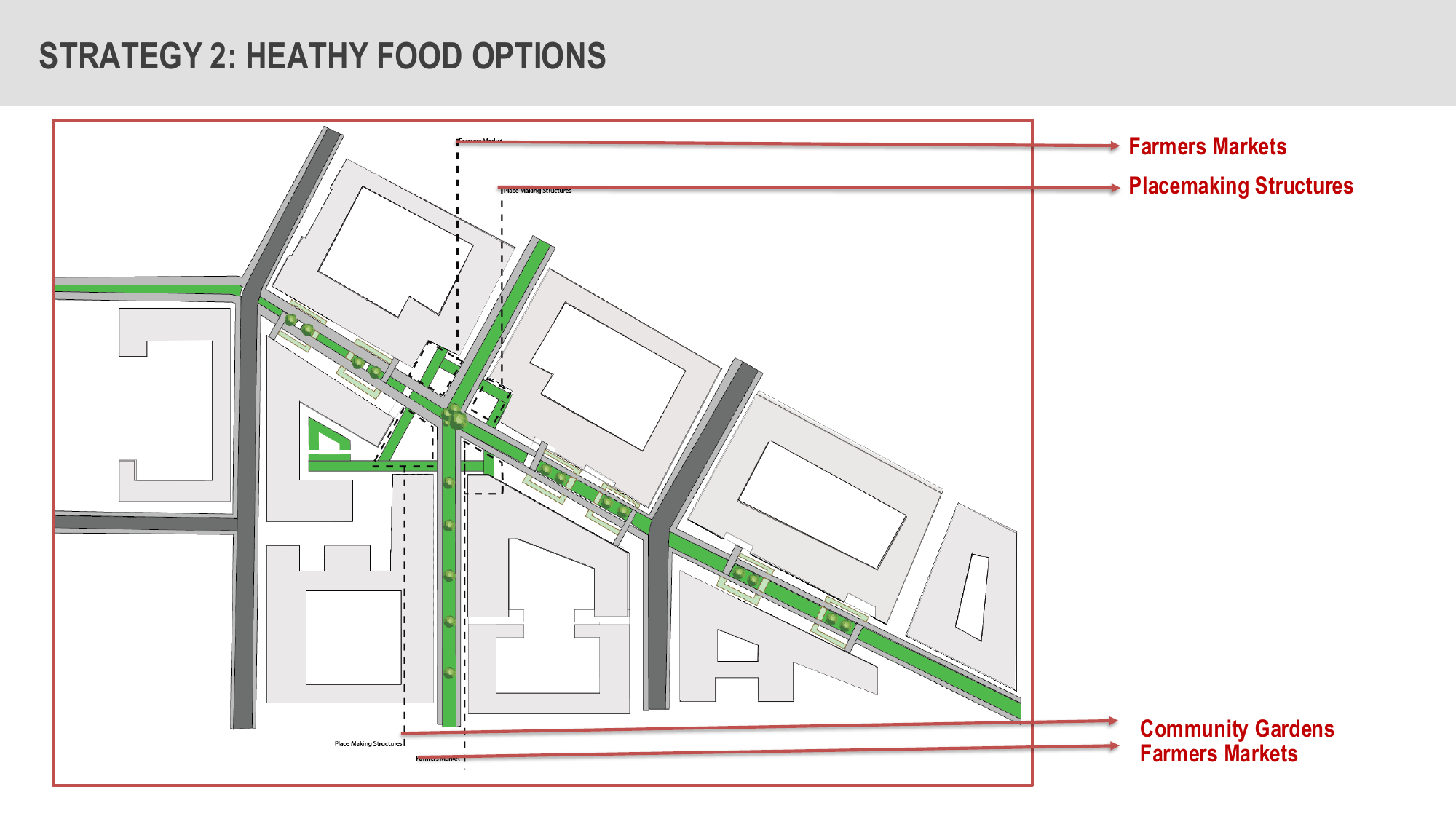
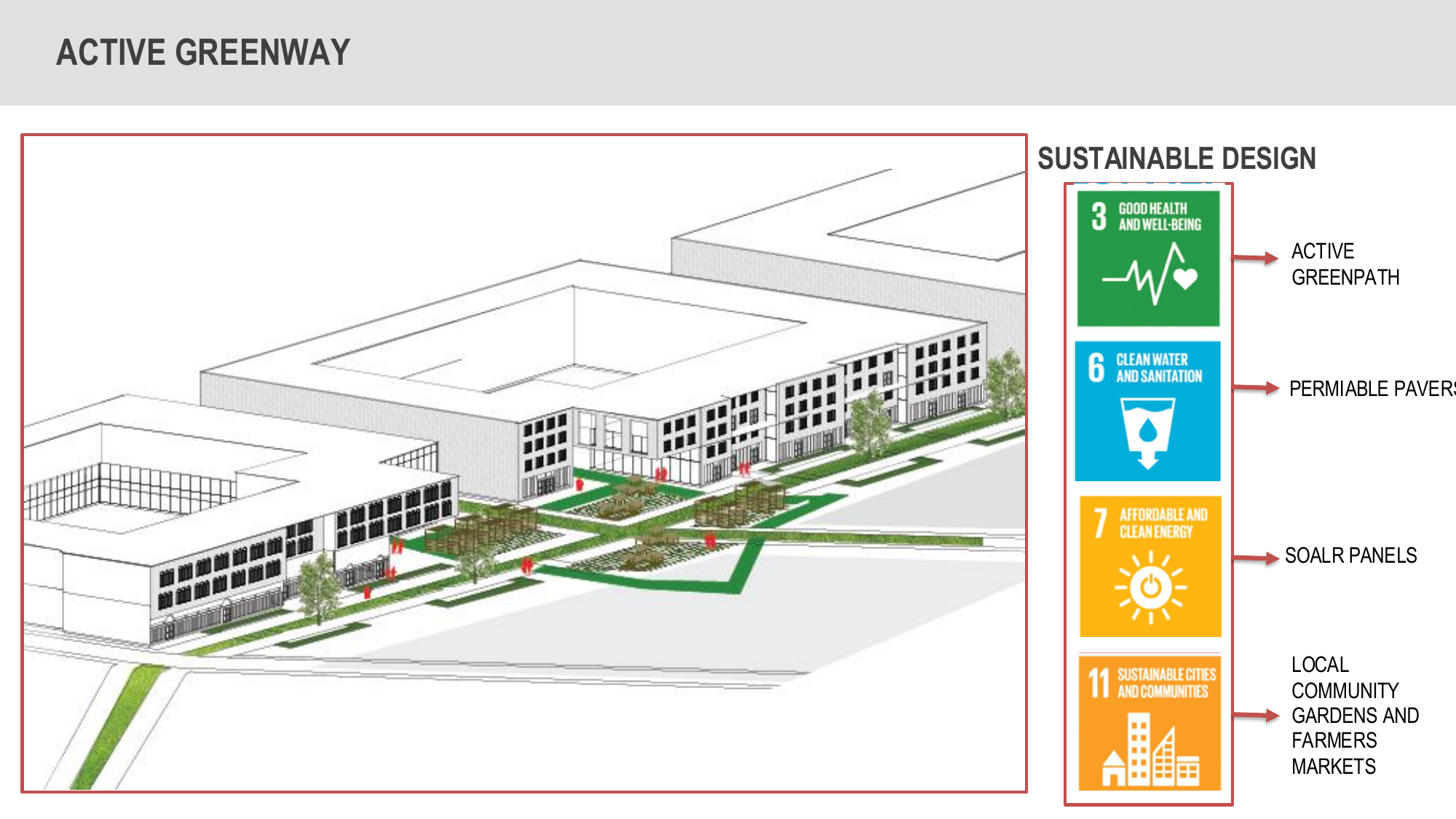
Land use, massing, healthy-food access, active greenway, and community programs reinforce one connected public realm.
06Long-term framework
The final plan supports change over time.
Water, landscape, mobility, food, housing, and community infrastructure form a coordinated framework rather than a single finished object.